

%20scale(3)'%3E%3Cpath%20id='s'%20d='M0,-30%2017.63355,24.27051%20-28.53171,-9.27051H28.53171L-17.63355,24.27051z'%20fill='%23FF0'/%3E%3C/g%3E%3Cuse%20xlink:href='%23s'%20transform='translate(300,60)%20rotate(23.036243)'/%3E%3Cuse%20xlink:href='%23s'%20transform='translate(360,120)%20rotate(45.869898)'/%3E%3Cuse%20xlink:href='%23s'%20transform='translate(360,210)%20rotate(69.945396)'/%3E%3Cuse%20xlink:href='%23s'%20transform='translate(300,270)%20rotate(20.659808)'/%3E%3C/svg%3E)
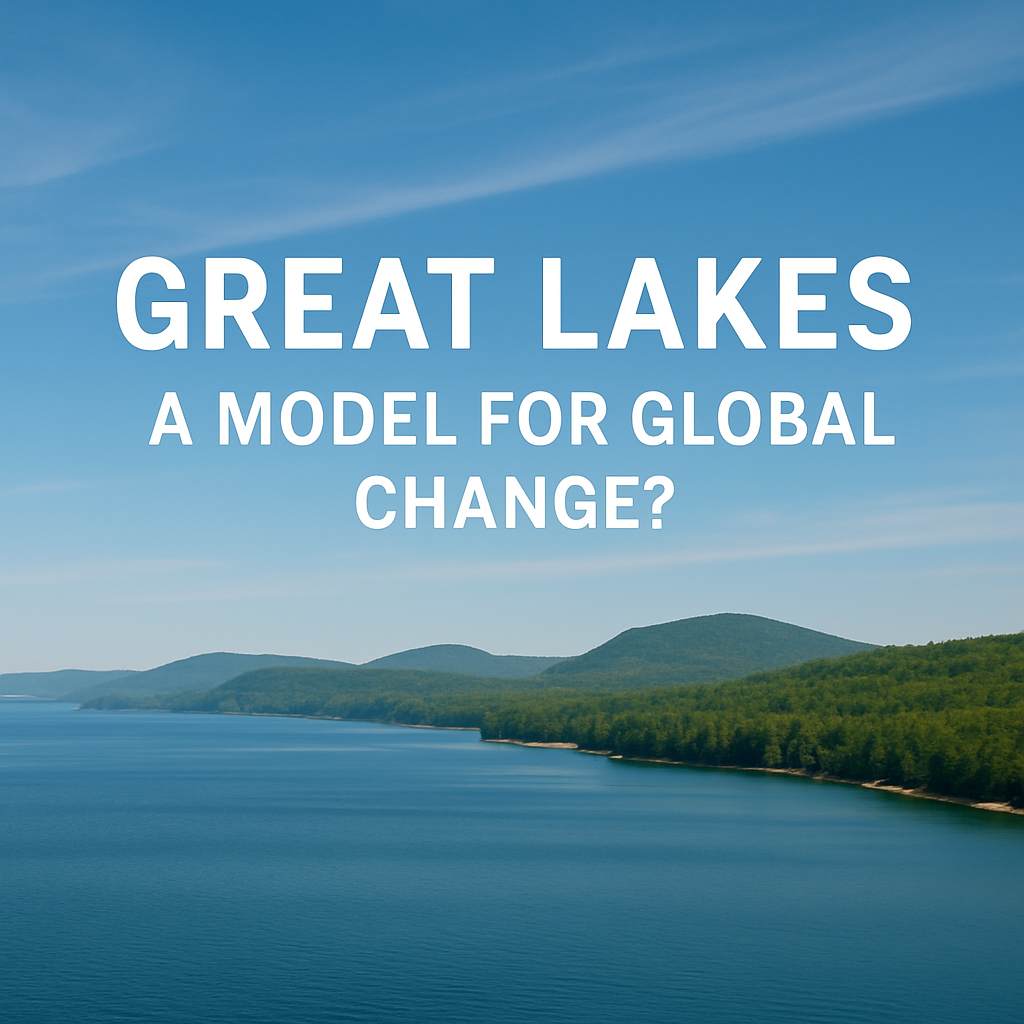
Great Lakes: A Model for Global Change?
In the context of global efforts to protect the oceans, regions that have already implemented strict environmental standards can serve as a model for sustainable change, notes Thordon Bearings.
On January 17, 2026, the High Seas Treaty came into force, marking a new era in the protection of the Earth's oceans. This first global legally binding document dedicated to the conservation of marine biodiversity in international waters established new rules for environmental impact assessments and the creation of marine protected areas, which is an important step towards achieving sustainable development goals.
While this effort is commendable, many states have already taken decisive action to protect biodiverse and sensitive marine areas at national and regional levels. One prominent example is the Great Lakes, which lie on the border between the United States and Canada and contain about one-fifth of all the freshwater on the planet. These ecologically sensitive lakes have been subjected to strict environmental standards for decades, forming the basis for larger international initiatives like the High Seas Treaty.
Regional regulations also impose conditions on operations in the Great Lakes. In 2013, for example, the U.S. Environmental Protection Agency (EPA) introduced the Vessel General Permit (VGP), which is a set of requirements for commercial vessels operating in U.S. waters. These rules aim to minimize environmental impact and promote sustainable development, covering a wide range of "discharges related to the normal operation of a vessel."
Among the key requirements of the VGP are strict limitations on "oil-to-sea" interfaces, including stern tubes, bearings, and seals, to prevent oil pollution during normal vessel operations. The rules require vessels 79 feet (24 m) and longer operating in the Great Lakes to use environmentally acceptable lubricants (EAL), which are biodegradable, low-toxicity, and, most importantly, do not accumulate in the tissues of aquatic organisms.
This is particularly important, as even minor oil leaks from vessel bearings can lead to long-term contamination of the Great Lakes food chain. As a result, many vessel operators have begun exploring and implementing seawater-lubricated bearing systems, which completely eliminate the risk of oil leakage. These systems are not only beneficial for the planet but can also save money, as they allow for significantly increased maintenance intervals and reduce the number of inspections and paperwork required to demonstrate compliance.
The Great Lakes are of particular significance to the Canadian company Thordon Bearings, headquartered in Burlington on the shores of Lake Ontario. While Thordon has clients worldwide, the Great Lakes remain especially important to the company; its water-lubricated bearing systems are installed on over 120 vessels operating in these waters.
Craig Carter, Vice President of Business Development at Thordon Bearings, explains: "Our polymer bearing systems reduce operating costs, extend service life, perform well in abrasive conditions, and eliminate the risk of oil and lubricant discharges into our rivers, lakes, and oceans. The economic and environmental benefits are clear." According to studies presented at the IMO, traditional oil-lubricated propeller bearings discharge about 80 million liters of oil into oceans and lakes each year.
Carter is also concerned about the strange tendency of the maritime industry to focus on reducing atmospheric emissions such as CO2, NOx, and Sox, while largely ignoring the consequences of "invisible" leaks from oil-lubricated bearings and stern tubes underwater.
"To advance ocean sustainability and achieve truly zero emissions from vessels, the industry must replace oil-lubricated bearings with seawater-lubricated systems," warns Carter.
Environmental regulations regarding the Great Lakes go far beyond the VGP rules, including oversight by the U.S. Coast Guard and the Canadian Coast Guard, as well as organizations such as Environment Canada and Transport Canada.