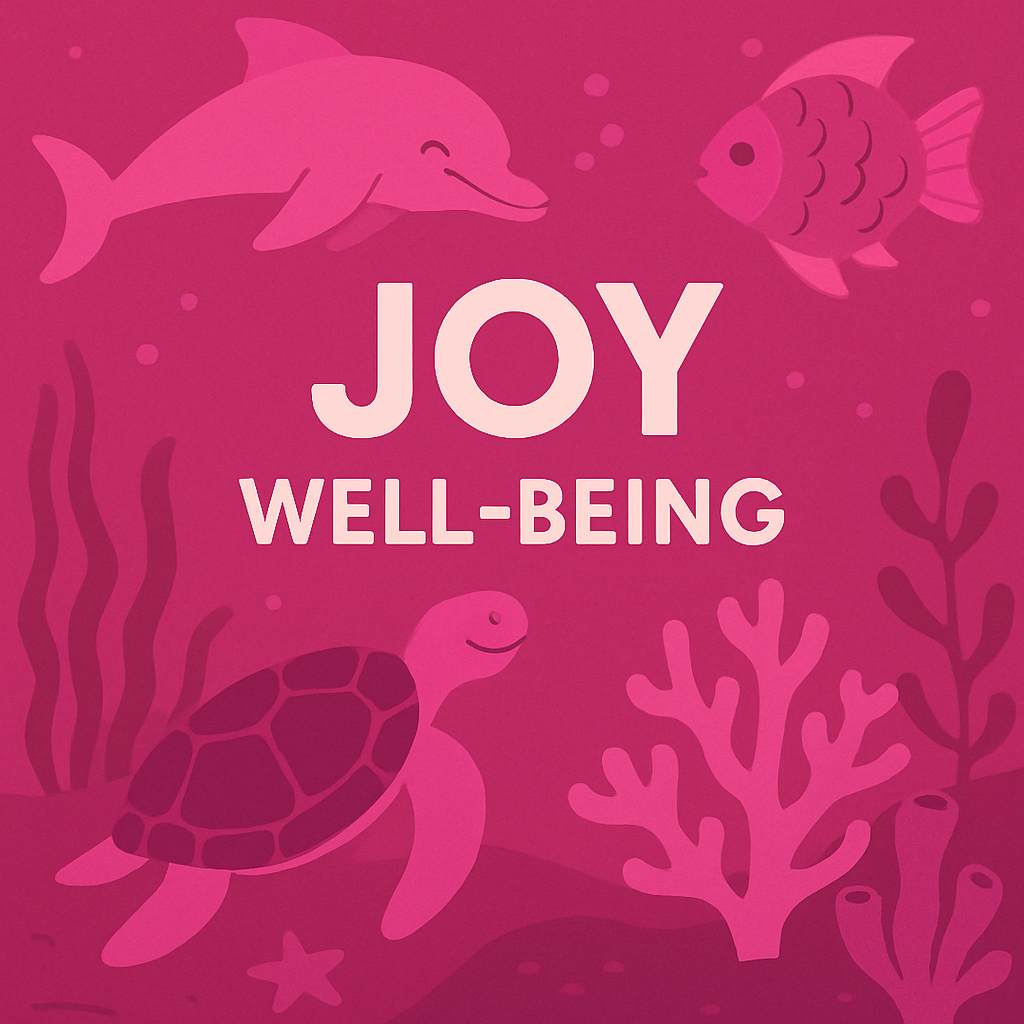
Global Wellbeing Day, celebrated on June 13, 2026, has placed joy at the center of the global conversation about wellbeing. Under this year's theme, #JoyMagenta, the campaign recognized joy not as a luxury or fleeting feeling, but as a powerful pathway to wellbeing, resilience, and human connection.
For the maritime industry, this message is particularly relevant. Shipping is a demanding, high-pressure, and round-the-clock sector where both seafarers and shore-based professionals often work under intense schedules, uncertainty, and responsibility.
Life on board can involve long periods away from family, limited privacy, fatigue, multinational crew dynamics, and restricted access to everyday routines that support wellbeing. On shore, maritime professionals also face heavy workloads, constant communication, operational pressure, and the need to respond quickly to complex situations.
In this context, wellbeing should not be viewed solely as the absence of illness. For maritime professionals, wellbeing can be understood as the ability to remain physically healthy, mentally resilient, emotionally balanced, socially connected, and supported by a work environment that allows individuals to function, recover, and thrive.
This year, Global Wellbeing Day invited people around the world to rediscover joy through four simple pathways: gratitude, connection, movement, and creativity. These steps may seem simple, but they reflect important aspects of human wellbeing.
Joy can soothe the mind, strengthen relationships, and help people regain a sense of purpose. It does not eliminate the challenges of maritime life, but it can help individuals cope with them in a healthier way.
For seafarers, joy can come from calling home, sharing meals with crew mates, enjoying music during downtime, taking walks on deck, fitness routines, moments of laughter, or small acts of kindness. For shore teams, it can be the support of colleagues, recognition, balanced routines, movement throughout the workday, or time away from screens.
The value of joy lies in its accessibility. It does not require complex systems or large investments to start. It requires attention, intention, and a culture that allows people to be human at work.
Gratitude is one of the simplest ways to shift focus from pressure to perspective.
In maritime operations, where attention is often focused on risks, deadlines, compliance, and problem-solving, gratitude can help people notice what is working, rather than just what is lacking.
On board, this can mean recognizing safe watchkeeping, supportive colleagues, good food, messages from home, or a quiet moment after a hectic day. On shore, it can mean acknowledging teamwork, recognizing efforts, and celebrating small victories that often go unnoticed.
Gratitude does not mean ignoring difficulties. Instead, it helps people build emotional balance by creating space for appreciation even in tough times. In a sector where stress can accumulate silently, this shift can support a healthier mindset.
 GLOBALMachinery


%20scale(3)'%3E%3Cpath%20id='s'%20d='M0,-30%2017.63355,24.27051%20-28.53171,-9.27051H28.53171L-17.63355,24.27051z'%20fill='%23FF0'/%3E%3C/g%3E%3Cuse%20xlink:href='%23s'%20transform='translate(300,60)%20rotate(23.036243)'/%3E%3Cuse%20xlink:href='%23s'%20transform='translate(360,120)%20rotate(45.869898)'/%3E%3Cuse%20xlink:href='%23s'%20transform='translate(360,210)%20rotate(69.945396)'/%3E%3Cuse%20xlink:href='%23s'%20transform='translate(300,270)%20rotate(20.659808)'/%3E%3C/svg%3E "中文 (中国)")