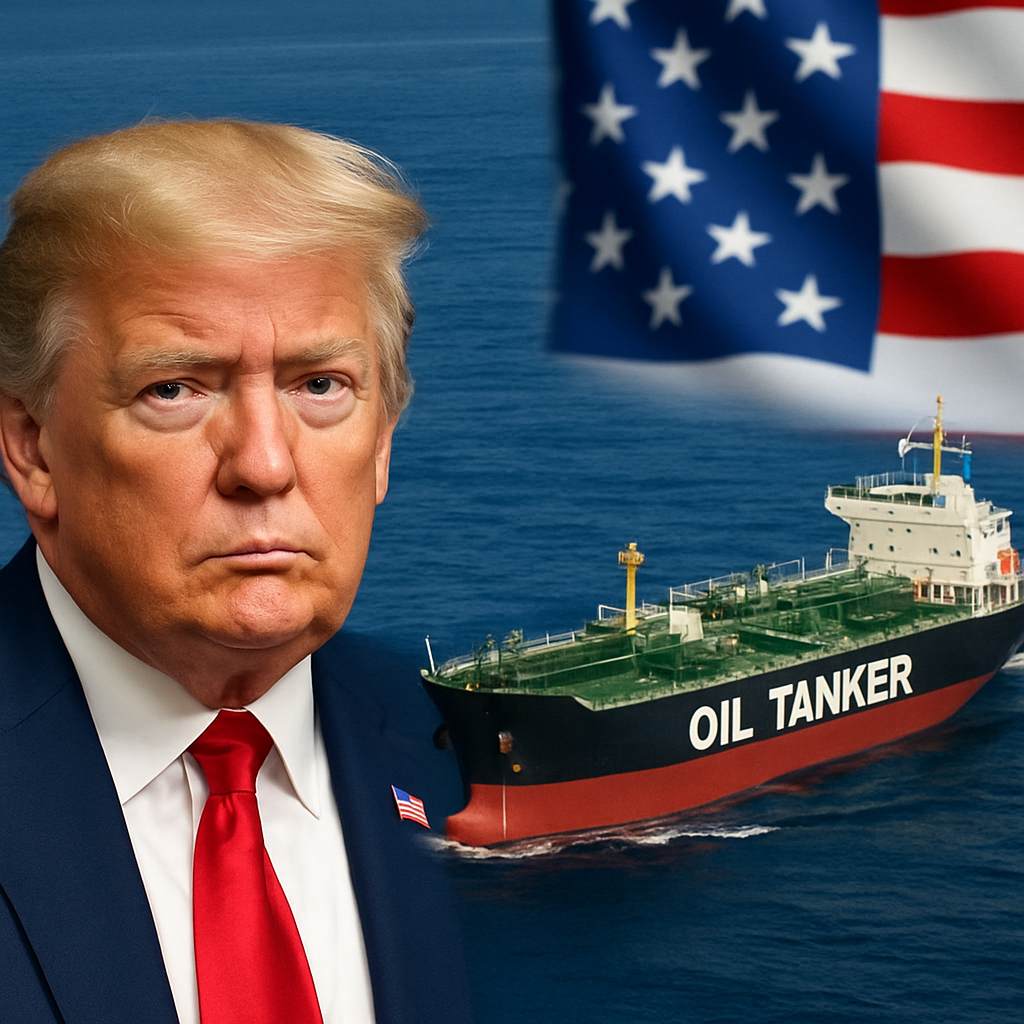
U.S. President Donald Trump signed an order that temporarily exempts coal, oil, petroleum products, gas (including liquefied), and fertilizers transportation between U.S. ports by foreign-flagged vessels from the Jones Act for two months.
Objective of the Measures — Reducing Logistics Costs
This decision will allow foreign vessels to participate in cabotage transportation to improve logistics and curb fuel prices. The Jones Act, enacted in 1920, traditionally requires that vessels transporting cargo between U.S. ports be built in the U.S., flagged under U.S. colors, and manned predominantly by U.S. crews. The exemption aims to address issues related to the shortage of vessels and high demand for energy resources.
Temporary Relief for Key Cargoes
The order pertains to a strictly defined list of goods: coal, oil, petroleum products, liquefied gas, and fertilizers. It is effective for two months and is aimed at responding swiftly to market challenges. Experts estimate that this will help lower fuel prices for American consumers, especially in the context of a tense geopolitical situation.
- Key Changes: Temporary lifting of restrictions for foreign vessels in cabotage.
- List of Cargoes: Coal, oil, petroleum products, LNG, fertilizers.
- Duration: Two months.
- Objective: Improving logistics and stabilizing prices.
Previously, similar exemptions were introduced during emergencies, such as hurricanes or pandemics. Trump's new order continues this practice, emphasizing the priority of the country's energy security.



%20scale(3)'%3E%3Cpath%20id='s'%20d='M0,-30%2017.63355,24.27051%20-28.53171,-9.27051H28.53171L-17.63355,24.27051z'%20fill='%23FF0'/%3E%3C/g%3E%3Cuse%20xlink:href='%23s'%20transform='translate(300,60)%20rotate(23.036243)'/%3E%3Cuse%20xlink:href='%23s'%20transform='translate(360,120)%20rotate(45.869898)'/%3E%3Cuse%20xlink:href='%23s'%20transform='translate(360,210)%20rotate(69.945396)'/%3E%3Cuse%20xlink:href='%23s'%20transform='translate(300,270)%20rotate(20.659808)'/%3E%3C/svg%3E)