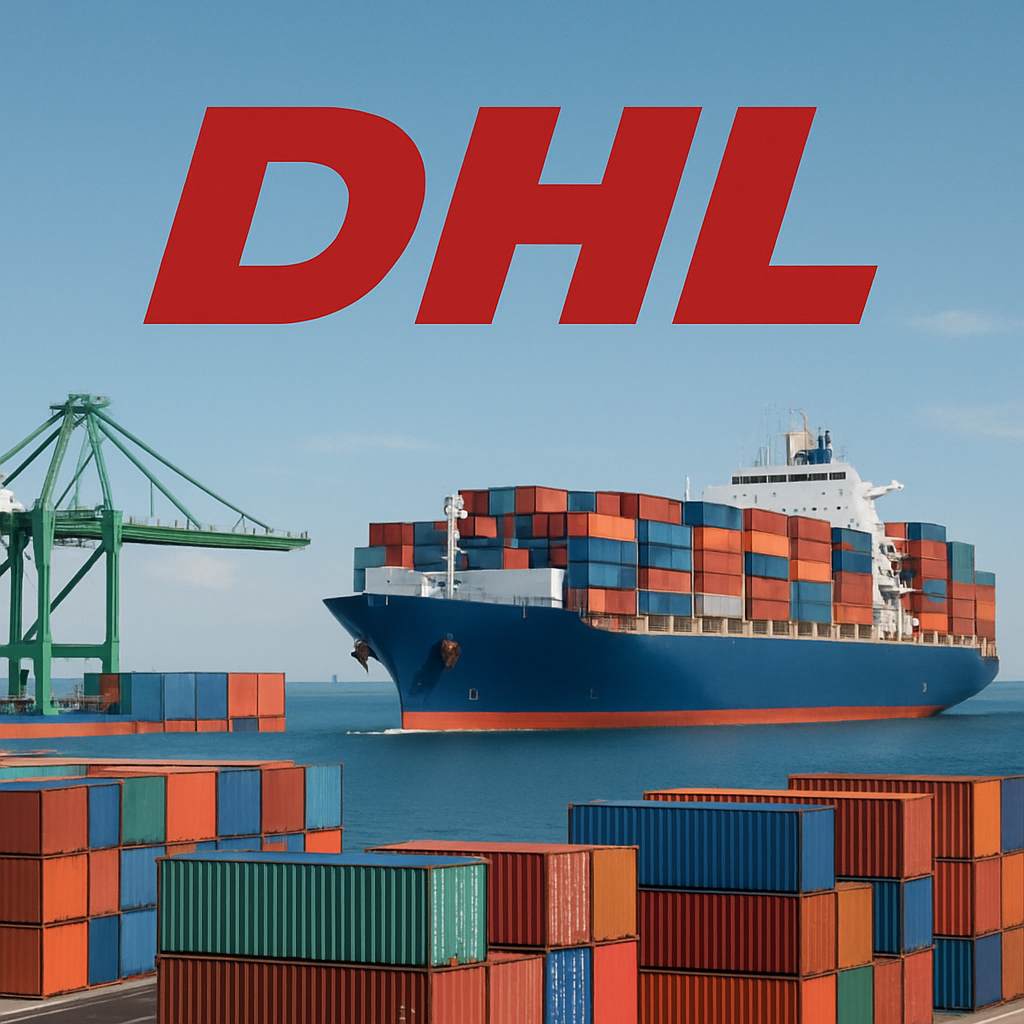
Slowed growth of the container fleet
DHL Global Forwarding has published a forecast indicating that the capacity of the global container fleet will increase by 3% in 2026. This figure is nearly half the long-term average of around 6%.
The slowdown in growth is attributed to port congestion and ongoing detours around the Suez Canal, which limit the effective supply of the fleet. Meanwhile, nominal fleet capacity is projected to grow by 4% in 2026 compared to 7% in 2025.
Demand for container shipping remains stable
Despite supply constraints, demand for container shipping shows resilience. From the beginning of 2025 to November, demand for container shipping has increased by 5% amid strengthened secondary trade flows from Asia. Regional vessel loading rates remain high: on the Far East - West route, loading exceeds 90%, while on Transpacific routes it is around 88%.
Possible resumption of routes through the Suez Canal
The potential resumption of traffic through the Suez Canal could support container shipping on the Asia - Europe route and improve the effective capacity of the fleet. However, DHL experts predict that the market will remain tight in 2026.
Trends in freight rates and market volatility
DHL expects freight rates to decline by early summer 2026 after a spike before the Chinese New Year. Futures indicators suggest a return to levels seen in the second half of 2025, but volatility will persist throughout 2026.
Regional trade outlook
On the Asia - Latin America route, trade is projected to grow by 1.8% in 2026 with vessel loading around 80%. International trade overall shows positive trends: according to DHL, trade in goods has increased by 10% compared to pre-pandemic levels.
The leaders in growth are the countries of Southeast and South Asia — Vietnam, India, and the Philippines, where significant acceleration in exports is expected by 2026 due to supply chain diversification and "China+1" strategies.
Impact of regulatory requirements
DHL's forecasts take into account the impact of growing sustainability requirements. From January 2026, the EU Emissions Trading System has fully come into effect, covering 100% of emissions for flights to and from Europe, which affects the industry's cost structure.



%20scale(3)'%3E%3Cpath%20id='s'%20d='M0,-30%2017.63355,24.27051%20-28.53171,-9.27051H28.53171L-17.63355,24.27051z'%20fill='%23FF0'/%3E%3C/g%3E%3Cuse%20xlink:href='%23s'%20transform='translate(300,60)%20rotate(23.036243)'/%3E%3Cuse%20xlink:href='%23s'%20transform='translate(360,120)%20rotate(45.869898)'/%3E%3Cuse%20xlink:href='%23s'%20transform='translate(360,210)%20rotate(69.945396)'/%3E%3Cuse%20xlink:href='%23s'%20transform='translate(300,270)%20rotate(20.659808)'/%3E%3C/svg%3E)