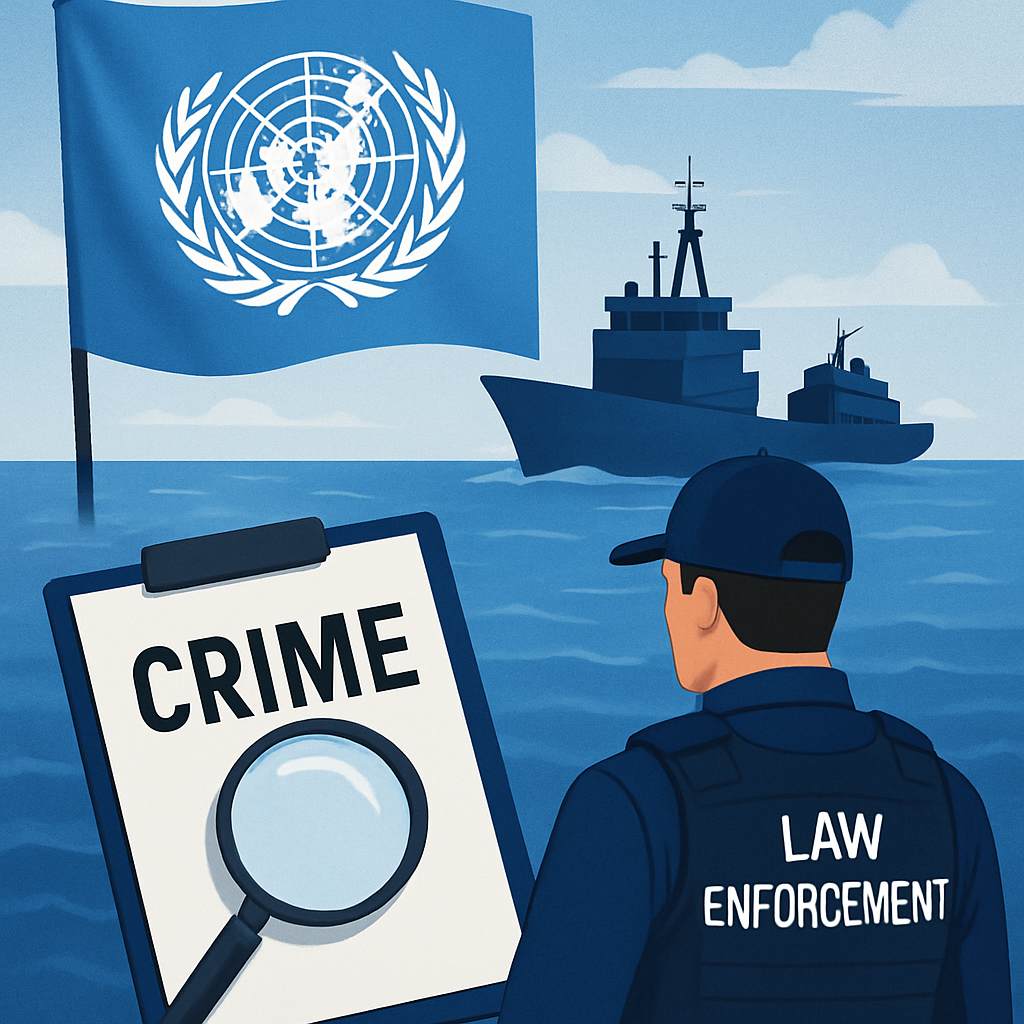
UN Creates Network of Units to Combat Maritime Crime
The United Nations Office on Drugs and Crime (UNODC), in collaboration with the World Customs Organization and Interpol, is assisting states in strengthening control over maritime, air, and land borders used by organized crime groups. A total of 192 national units have been established in 89 countries to assess risks, intercept dangerous cargo and passengers, and coordinate efforts between countries, which is critically important for the security of maritime trade.
Goals and Objectives of the New Units
The National Cargo and Passenger Control Units are focused on:
- Assessing risks in maritime and air transport.
- Intercepting suspicious cargo and passengers.
- Enhancing coordination between states to prevent transnational crime.
Such measures effectively combat drug trafficking, arms smuggling, and other forms of organized crime that threaten global trade.
International Cooperation as the Key to Success
The UNODC initiative emphasizes the importance of partnerships with international organizations. The established units are integrated into a global information-sharing network, which enhances the responsiveness to threats. This is particularly relevant in the context of increasing maritime transport, which forms the backbone of the global economy.
According to the UN, strengthening border control contributes not only to the fight against crime but also to enhancing the overall security of international trade.


%20scale(3)'%3E%3Cpath%20id='s'%20d='M0,-30%2017.63355,24.27051%20-28.53171,-9.27051H28.53171L-17.63355,24.27051z'%20fill='%23FF0'/%3E%3C/g%3E%3Cuse%20xlink:href='%23s'%20transform='translate(300,60)%20rotate(23.036243)'/%3E%3Cuse%20xlink:href='%23s'%20transform='translate(360,120)%20rotate(45.869898)'/%3E%3Cuse%20xlink:href='%23s'%20transform='translate(360,210)%20rotate(69.945396)'/%3E%3Cuse%20xlink:href='%23s'%20transform='translate(300,270)%20rotate(20.659808)'/%3E%3C/svg%3E)