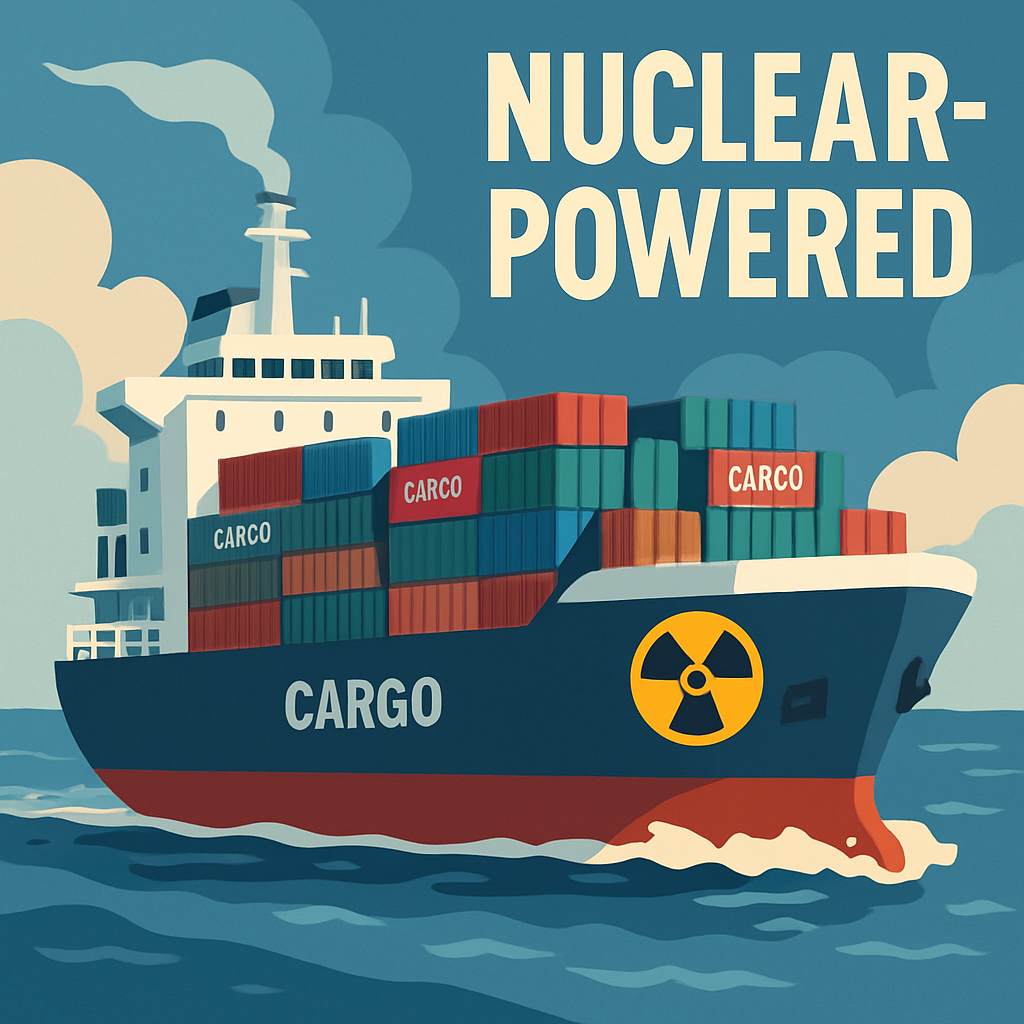
Companies from China and South Korea are joining forces to develop projects for commercial trading vessels with nuclear power plants, viewing this mode of transport as a key element of future logistics chains by 2050.
Nuclear-powered shipbuilding ensures environmental and economic efficiency in transportation, contributing to the sustainable development of maritime transport and reducing harmful emissions into the atmosphere. This solution is expected to significantly enhance environmental standards in international trade and represent an important step towards decarbonizing the industry.
The partnership between China and South Korea in this area reflects both countries' strategic commitment to innovation in maritime transport, which also aligns with their policy of developing mutual relations and technological cooperation.
Key Advantages of the Project:
- Environmental Friendliness: significant reduction in CO2 emissions and other pollutants.
- Economic Efficiency: reduction of fuel costs and increased vessel autonomy.
- Resilience and Safety: use of modern nuclear technologies with enhanced safety measures.
- Technological Cooperation: development of partnerships between leading shipbuilding and energy companies from both countries.
This joint project aligns with the global trend towards clean energy and serves as an example of integrating new technologies into traditional sectors of the economy, highlighting the importance of international cooperation in addressing sustainable development challenges.



%20scale(3)'%3E%3Cpath%20id='s'%20d='M0,-30%2017.63355,24.27051%20-28.53171,-9.27051H28.53171L-17.63355,24.27051z'%20fill='%23FF0'/%3E%3C/g%3E%3Cuse%20xlink:href='%23s'%20transform='translate(300,60)%20rotate(23.036243)'/%3E%3Cuse%20xlink:href='%23s'%20transform='translate(360,120)%20rotate(45.869898)'/%3E%3Cuse%20xlink:href='%23s'%20transform='translate(360,210)%20rotate(69.945396)'/%3E%3Cuse%20xlink:href='%23s'%20transform='translate(300,270)%20rotate(20.659808)'/%3E%3C/svg%3E)